How to Introduce Interactive Toys to a Blind Dog
How to Introduce Interactive Toys to a Blind Dog
A blindness diagnosis can feel overwhelming, but blind dogs live rich, happy lives — especially with the right enrichment. Interactive toys adapted for blind dogs engage their heightened senses of smell, hearing, and touch.
Understanding Your Blind Dog’s World
When vision is lost, other senses become superpowers:
- Hearing: Can detect sounds humans can’t, directional hearing improves
- Smell: Already 10,000-100,000x better than humans; becomes primary navigation tool
- Touch: Whiskers and paw pads detect texture and air currents
- Memory: Mental maps of familiar spaces become very detailed
Scent-Based Toys
- Snuffle mats: Hide treats in fabric strips for foraging fun
- Scent work games: Hide treats in different locations and use “find it” command
- Aroma toys: Toys infused with lavender, vanilla, or peanut butter scent
- Essential oil enrichment: Pet-safe scents on different toys for identification
Sound-Making Toys
- Squeaky toys: Classic and effective — dogs can locate by sound
- Crinkle toys: Make noise when touched or moved
- Bell toys: Internal bells that jingle with movement
- Talking toys: Electronic toys that make sounds when pressed
- Rattle toys: Fill plastic bottles with dry beans for DIY rattles
Texture-Rich Toys
- Rope toys: Distinctive texture, great for tug
- Rubber with nubs: Different feel from smooth toys
- Plush with various textures: Corduroy, fleece, and smooth combinations
- Natural chews: Antlers, bully sticks have unique textures
Safe Play Environments
- Keep play area consistent — don’t rearrange furniture frequently
- Use baby gates to block stairs or dangerous areas during play
- Remove tripping hazards from play zones
- Use textured mats to mark play boundaries
- Always supervise new toy introduction
Building Confidence Through Play
- Start in familiar, quiet spaces
- Use verbal encouragement consistently
- Celebrate successes with treats and praise
- Keep sessions short initially (5-10 minutes)
- Gradually increase complexity as confidence grows
- Never force interaction — let your dog approach toys voluntarily
Best Toys for Blind Dogs
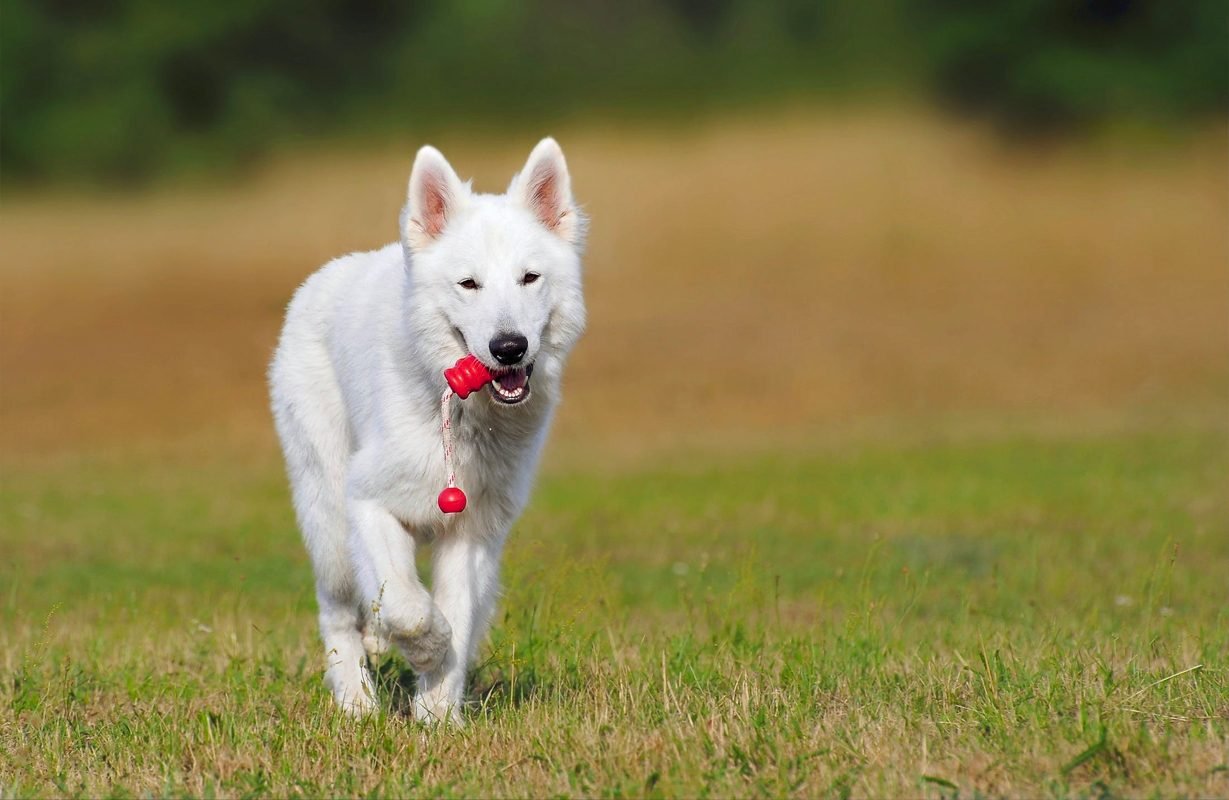
- Kong (stuffable, has distinctive smell when filled)
- Squeaky balls (easy to locate by sound)
- Snuffle mats (scent-based foraging)
- Rope tug toys (distinctive texture)
- Crinkle plush toys (auditory feedback)
- Treat-dispensing toys with sound (roll and rattle)
The Bottom Line
Blind dogs can enjoy rich, playful lives with toys that engage their incredible non-visual senses. Focus on scent, sound, and texture to provide mental stimulation and joy.
Shop now: Snuffle mats, squeaky toys, crinkle toys, rope tug toys, treat-dispensing toys with sound, scent work kits.
Share :
Share on facebook
Share on twitter
Share on linkedin
Popular Post
Best Waterproof Car Seat Cover
July 19, 2026
How Big of a Dog
July 19, 2026
Signs Your Dog Needs an
July 19, 2026
Archives
Tags
calming cat bed
cat behavior
cat comfort
catnip toys
dog anxiety
durable dog toys
elevated outdoor dog bed
first night puppy
high energy dog
indestructible dog toys
indoor dog activities
interactive cat toy
interactive cat toys
interactive dog toys
large dog bed
large memory foam dog bed
leash pulling
memory foam dog bed
mental stimulation
mental stimulation toys
new puppy tips
no-pull harness
orthopedic bed
orthopedic dog bed
outdoor pet bed
patio dog bed
pet anxiety relief
pet bed cleaning
pet bed guide
pet car cover
pet comfort
puppy bed
puppy chewing
puzzle toys
teething puppy
teething puppy toys
teething relief
tiring dog indoors
tough puppy toys
walking dog
wand toys
washable dog bed cover
waterproof car seat cover
why cats love catnip
why cats purr